How much does a new roof cost in Winchester, MA?
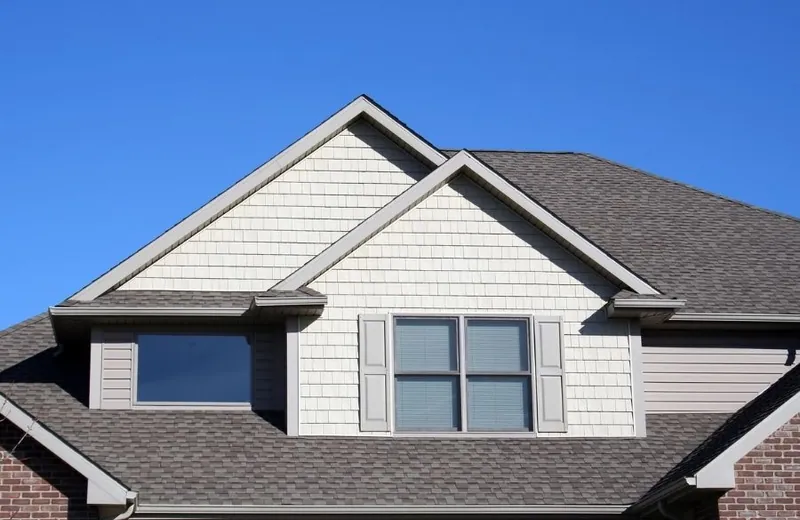
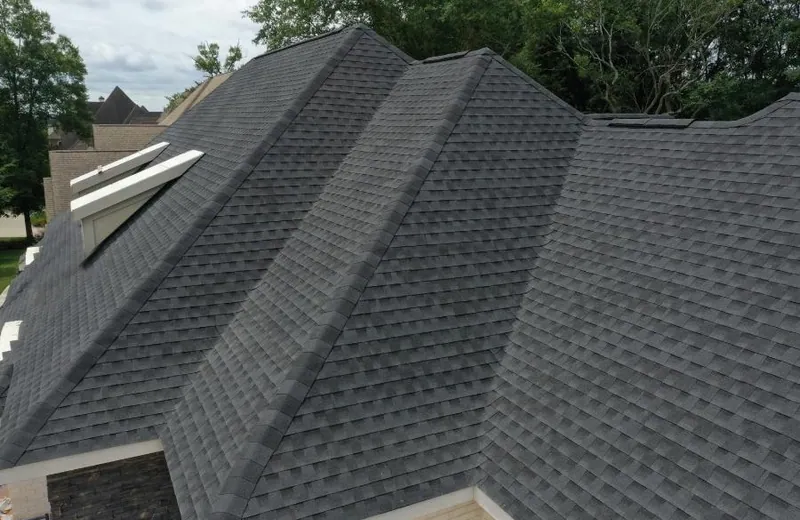
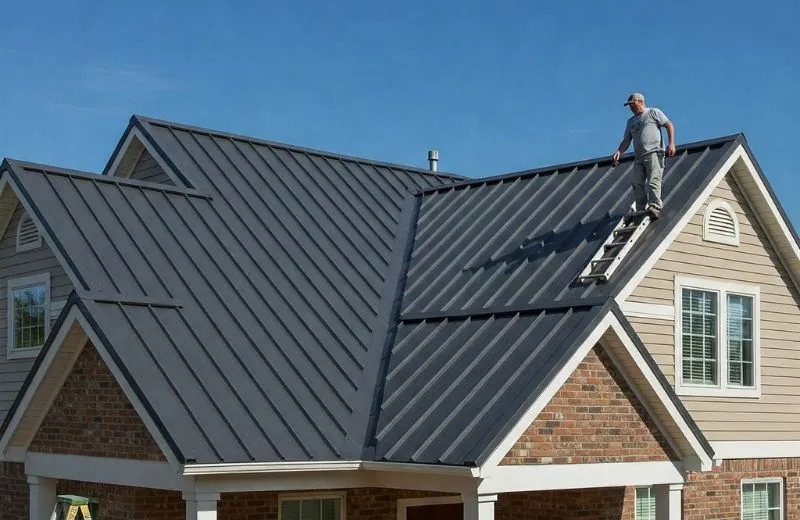
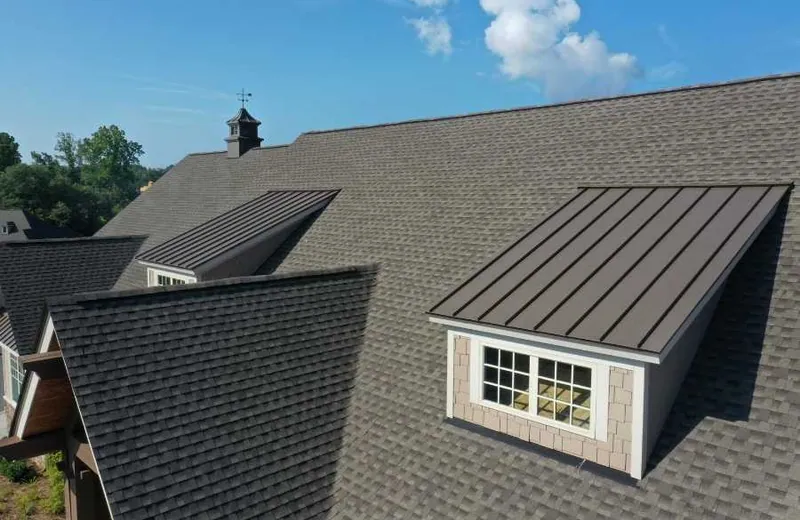
Most asphalt shingle replacements in Winchester range from about $14,000 for a simple Cape to $60,000 or more for a large, steep Colonial Revival or Tudor with dormers and multiple chimneys. Standing-seam metal usually costs two to three times as much as asphalt. Full slate replacement on a large Victorian can run well into six figures. The biggest variables are material, pitch and complexity, the number of layers to tear off, and the condition of the decking underneath. Our written proposals itemize all of it, including unit pricing for decking repair, so the number you sign is the number you budget for.
How long does a roof replacement take?
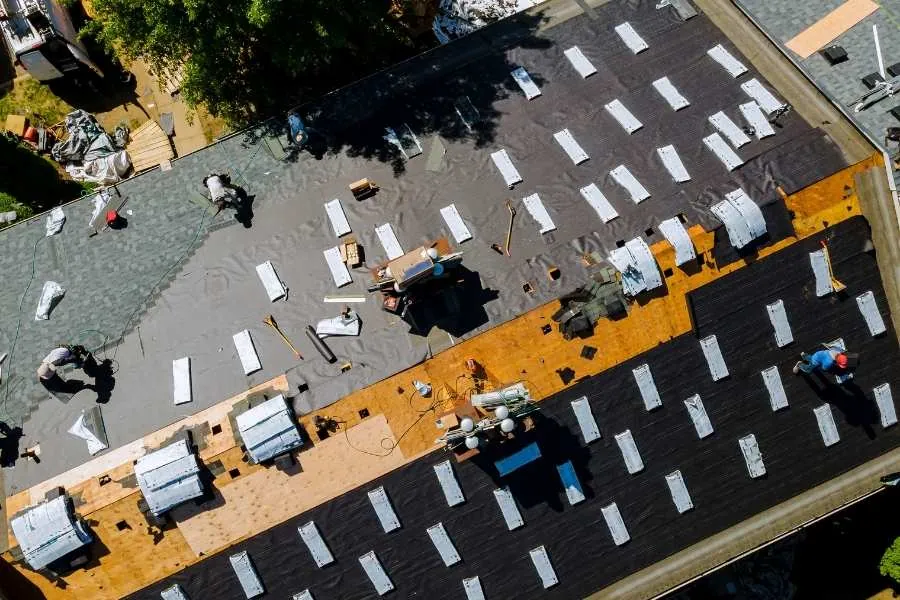
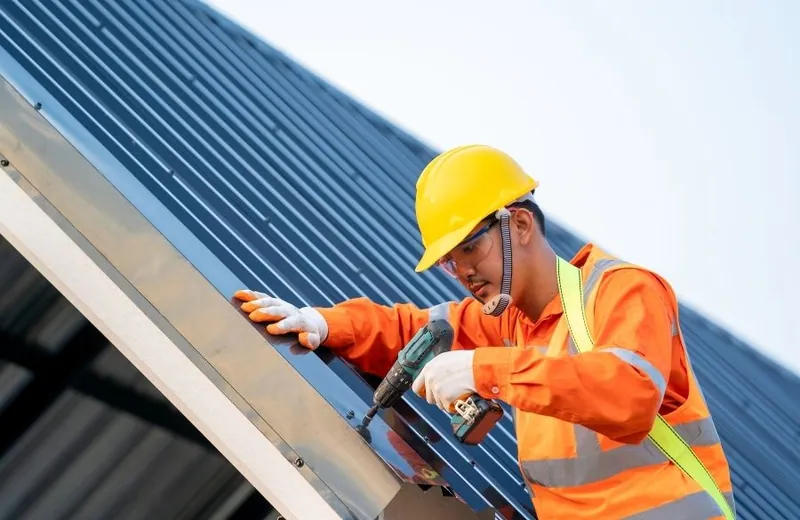
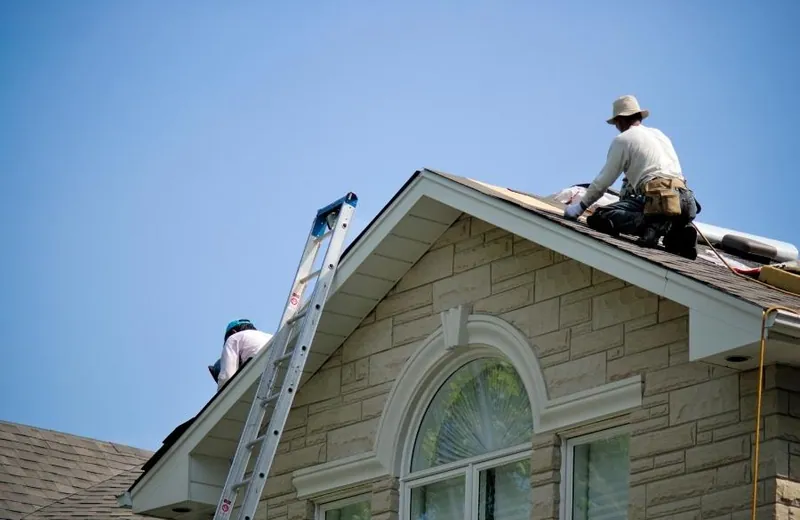
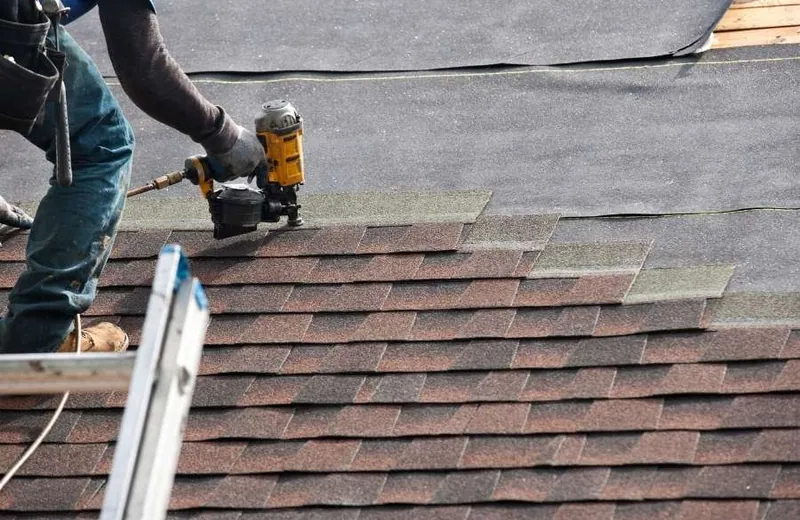
A typical asphalt shingle replacement on a Winchester home takes two to five working days once we start. Large or highly complex roofs, slate work and copper details take longer. Weather matters too: shingles need adequate temperatures for their sealant strips to bond, so spring through fall is peak season and good crews book out weeks ahead. Permit approval and any historic-district or condo-association review can add time before work begins. We'll give you a realistic schedule in your proposal and keep you updated if rain or wind forces a change.
Do I need a permit to replace my roof in Winchester?
Yes. A building permit is required to re-roof in Winchester and in essentially every town we serve, under the Massachusetts State Building Code (780 CMR). We file the permit for you, usually through the town's online portal, and schedule the final inspection. If your home is in a historic area, near the Winchester Center/Main Street area, or in a Lexington, Arlington, Belmont or Cambridge historic district, visible changes such as replacing slate with asphalt may need extra review. Condo associations may also need to approve the work. We'll flag these requirements during the inspection.
Should I repair or replace my old slate roof?
Often, repair is the right call. Quality slate can last a century or more, and many failures on Winchester's 80- to 120-year-old slate roofs come from rusted nails, broken pieces and worn flashing rather than the slate itself. If most slates are sound, we replace broken ones with matching stone using copper nails and slate hooks, and we reflash chimneys and valleys. Replacement makes sense when the slate is delaminating or flaking across large areas, or when the decking has failed. We'll show you photos and explain the reasoning either way.
How can I prevent ice dams on my house?
Ice dams happen when attic heat melts roof snow that then refreezes at the cold eaves. The permanent fix is keeping the roof deck cold and evenly ventilated. That means air sealing the attic floor, adding insulation, and balancing soffit intake with ridge exhaust so warm air doesn't collect under the roof. When we re-roof, we install ice and water shield along every eave and valley so meltwater can't get into the house. Mass Save programs may help with insulation and air sealing. Heat cable can help in specific trouble spots, but it isn't a substitute for fixing ventilation.
When should I call a roofer instead of waiting?
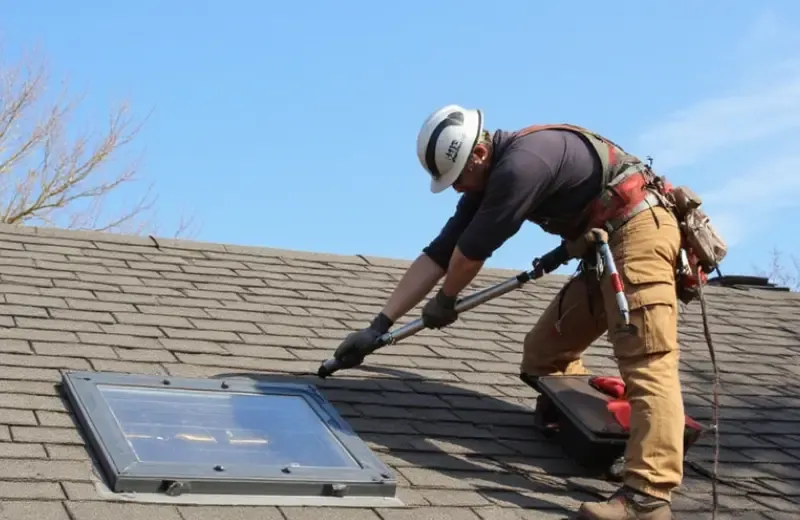
Call right away if water is coming through a ceiling, a limb has hit the roof, you see a thick ice dam with leaks below it, or shingles or slates are missing after a storm. Small leaks quickly ruin insulation, plaster and framing. Schedule an inspection soon if you notice ceiling stains, granules piling at downspouts, curling shingles, slipped slates, moss or tar patches around chimneys. If your roof is over 20 years old and has never been inspected, a fall check-up before snow season is a smart move.
Will you help with my insurance claim after ice dam or storm damage?
Yes, we document the damage. Insurance claims after ice dams, wind or falling limbs depend on clear evidence, so we photograph the damage on the roof, in the attic and at the interior leak points, and we provide a written scope of repairs. You or your public adjuster handle the claim itself. We supply the photos and detailed documentation insurers ask for. If water is getting in, we can tarp the roof or steam off the ice first to prevent further damage, which most policies expect homeowners to do.
What warranty comes with a new roof?
Two layers of protection usually apply. Roofing materials carry manufacturer warranties, and their length and coverage depend on the product line you choose. Workmanship coverage applies to how the roof was installed, and we spell out those terms in writing in your proposal before you sign. Most roof failures trace back to installation details such as flashing, underlayment and ventilation, not defective shingles. That's why we install ice and water shield at every eave and valley and follow manufacturer and code fastening specifications.